

The right Blender laptop depends on what slows you down: building a scene, fitting it into GPU memory, or waiting for the final render. For learning, modelling and smaller product visuals, the GIGABYTE AERO X16 with RTX 5060, 32GB RAM and a 1TB SSD is a sensible starting point. Its US offer was $1,299.99 when checked on 9 November 2026. If that configuration is unavailable, the 32GB Acer Nitro V 16S is another option below $1,500.
If your scenes need more GPU memory, compare the 12GB GAMING A16 PRO before jumping to a flagship. The 24GB HyperX OMEN MAX 16 is the expensive, desk-first option here. Prefer macOS? The 16-inch M5 Pro MacBook Pro with 48GB unified memory offers a different route through Blender’s Metal backend.
Budget offers checked 9 November 2026. The AERO X16 and Acer Nitro V 16S prices were checked for this update. The three higher-priced configurations below were last checked on 23 October. This is a researched shortlist, not our own comparative laptop test. Prices are in US dollars before tax, shipping and any import charges.
Amazon buttons are affiliate links, at no extra cost to you. As an Amazon Associate I earn from qualifying purchases. The other retailer buttons are not affiliate links.
Blender laptops under $1,500: what is worth paying for?
For learning Blender and making smaller product visuals, look for 32GB RAM, a 1TB SSD and an 8GB NVIDIA GPU before paying for a flagship badge. Two checked US offers meet that specification: the GIGABYTE AERO X16 1VH93USC64AH at $1,299.99 and the Acer Nitro V 16S below at $1,399.99.
Compare the AERO first at these prices. It costs $100 less, has a higher-resolution 2560 × 1600 display and supports more RAM. The Nitro is a useful alternative if the exact AERO offer is unavailable where you can buy. Both have 8GB GPU memory, so the extra $100 does not buy room for a larger GPU scene. We have not measured their relative Blender render speeds.
Acer Nitro V 16S: a complete 32GB / 1TB alternative

Exact model: ANV16S-41-R2AJ · Amazon ASIN B0F195W823
AMD Ryzen 7 260 · RTX 5060 Laptop, 8GB GDDR7 · 32GB DDR5 · 1TB PCIe 4.0 SSD · 16-inch 1920 × 1200 IPS, 180Hz · Windows 11 Home
What the configuration gets right: 32GB RAM and a 1TB SSD are already fitted. Acer lists an 85W maximum graphics power and a 32GB supported RAM ceiling for this model. That RAM ceiling matters if you expect to move into larger simulations or heavy multitasking.
Where it stops: this is still an 8GB GPU. It is not the upgrade to buy when an existing 8GB card cannot fit your scene. Its 180Hz display and advertised AI TOPS do not establish how fast your Blender project will render.
New offer sold by Amazon.com at the time of the check. The button links to the US configuration above. Price, seller and stock can change. A local listing is a separate offer: check the complete model code, GPU, RAM, SSD, keyboard and warranty before buying.
Can you buy a suitable Blender laptop for under $1,000?
Yes, a simpler machine can be enough for learning and small scenes. For a new budget purchase, use 16GB system RAM as the floor and look for an 8GB RTX 5050 configuration. This is our buying filter, not Blender’s minimum requirement. Keep money aside for storage or a RAM upgrade, and include tax and shipping in your actual limit.
We are not listing an under-$1,000 deal from this check. The promising MSI Cyborg and Acer Nitro V offers had already risen above that limit, and the cheapest Lenovo variant had only 8GB system RAM. If you can wait, watch for an exact 16GB-or-better configuration within your budget. An expired discount is not a reason to buy a weaker variant with the same name.
Which current Blender laptop should you shortlist?
If you’re only starting Blender, first try a representative project on your existing laptop. Basic modelling doesn’t automatically require a flagship GPU. A new machine becomes easier to choose once you know whether you’re short of RAM, GPU memory or rendering speed.
Current configurations and US prices
These are the specific configurations behind the recommendations. The two GIGABYTE laptops have different memory designs despite sharing a brand; the Mac’s unified memory is a separate category from dedicated NVIDIA VRAM.
A closer look at the wider shortlist
GIGABYTE AERO X16: a practical starting configuration

Reference: 1VH93USC64AH
Ryzen AI 7 350 · RTX 5060 Laptop, 8GB · 32GB RAM · 1TB SSD · 16-inch 2560 × 1600 IPS
The appeal is the complete configuration. You get 32GB RAM and a 1TB SSD without immediately planning upgrades, at the lowest checked price in this shortlist. That makes it a reasonable place to start for modelling, learning and product scenes that fit an 8GB GPU.
It also leaves some room to grow: GIGABYTE documents two SO-DIMM slots, support up to 64GB RAM and two M.2 slots. At about 1.9kg, it is the lighter Windows option here.
The catch: extra system RAM won’t increase its 8GB of dedicated GPU memory. If you already hit that limit in Cycles, compare a higher-memory GPU rather than buying another 8GB configuration. The family’s up-to-85W graphics specification also means you shouldn’t assume it performs like every other RTX 5060 laptop.
Configuration sources: GIGABYTE’s US model list and AERO X16 specifications.
The checked offer is 32GB / 1TB, not the similarly named 16GB or RTX 5070 version.
GIGABYTE GAMING A16 PRO: a step up to 12GB VRAM
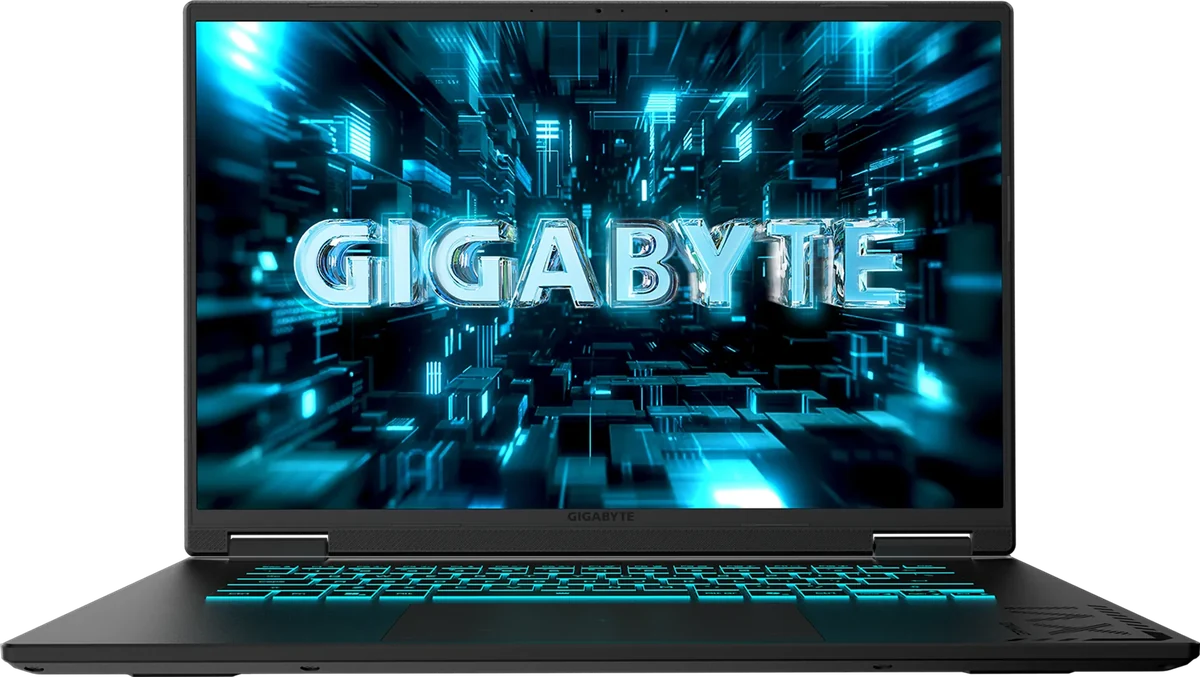
Reference: DXHG4USCC4SH
Core 7 240H · RTX 5070 Ti Laptop, 12GB · 32GB onboard RAM · 1TB SSD · 16-inch 2560 × 1600 IPS
Consider this when 8GB of VRAM is the constraint, but a flagship laptop would consume too much of the budget. The checked configuration adds 4GB of dedicated GPU memory over the AERO while keeping 32GB system RAM and a 1TB SSD.
The important compromise is easy to miss in retail listings: the 32GB LPDDR5x memory is onboard. It isn’t an upgradeable 2 × 16GB SO-DIMM kit. Choose something else if large simulations, sculpting or your other applications already need more than 32GB.
The chassis is about 2.3kg and the manufacturer lists up to 115W graphics power for the family. Its 12GB is the reason to consider it here; a higher-power RTX 5070 Ti laptop may render faster.
Configuration source: GIGABYTE’s DXH specifications. The DXH model here has a 5070 Ti; don’t substitute the differently configured DYH version.
The $1,707.49 Walmart offer was sold by Velztorm PC, a marketplace seller; check its current condition, returns and warranty.
Amazon US lists the same DXHG4USCC4SH configuration: RTX 5070 Ti, 32GB RAM and a 1TB SSD. Its title says “Core Ultra”, but GIGABYTE and the listing’s CPU details identify Core 7 240H. Check delivery and warranty for your address.
HyperX OMEN MAX 16: for scenes that justify 24GB VRAM
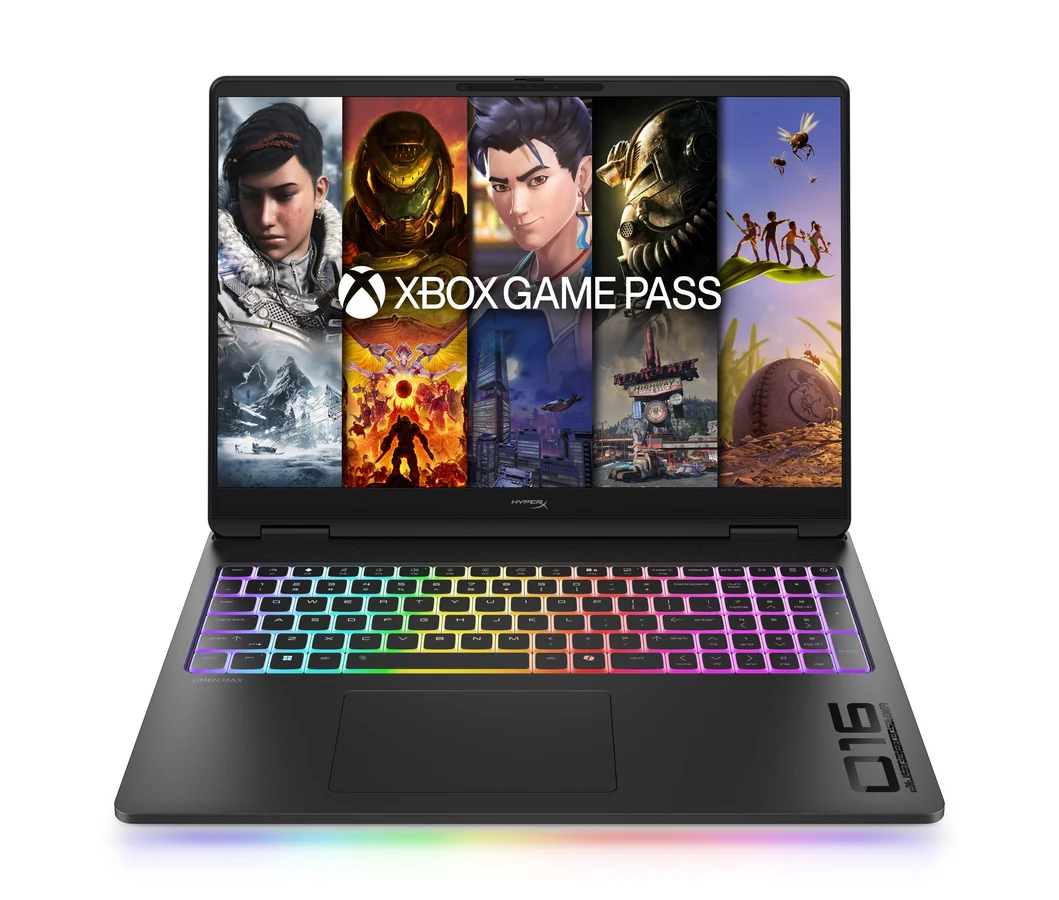
Reference: 16-ah1932nr / D9KM0UA#ABA
Core Ultra 9 290HX Plus · RTX 5090 Laptop, 24GB · 32GB RAM · 2TB SSD · 16-inch 2560 × 1600 OLED
This is the option to examine when your work makes the GPU-memory budget valuable: large texture sets, heavier scenes or frequent Cycles rendering. Its 24GB is twice the dedicated capacity of the A16 PRO. That is a memory comparison, not a promise of twice the speed.
There is relevant independent evidence for this exact model. Notebookcheck’s October 2026 review measured an 11-second Classroom render in Blender 3.3 with OptiX and its Unleashed performance profile. That older-version result is useful context; it doesn’t measure Blender 5.2, every scene or quiet-mode performance.
The catch is the complete machine: $4,199.99 in the checked official offer, 6.56lb before the 460W power adapter, and still 32GB of system RAM as supplied. A 24GB GPU won’t remove a separate RAM bottleneck in simulations. The configuration uses two 16GB DDR5 modules; confirm the supported upgrade with HP before buying additional memory.
Exact configuration source: HyperX’s model page.
The official store showed this model in stock when checked. Delivery depends on location.
MacBook Pro 16-inch M5 Pro: the macOS route
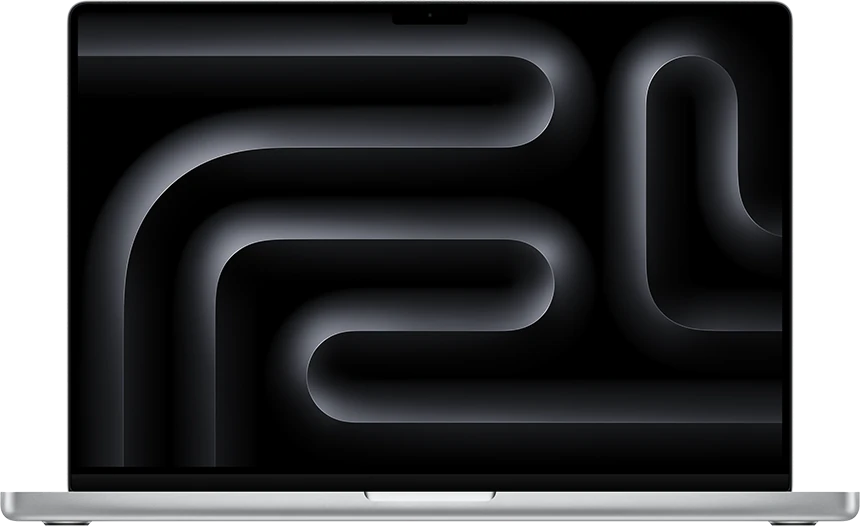
Reference: 16-inch M5 Pro, 18 CPU / 20 GPU cores
48GB unified memory · 1TB SSD · Standard Liquid Retina XDR display · Space Black
Choose this route because you want macOS and your workflow supports it. Blender can render through Metal on Apple Silicon, while the 48GB configuration provides more shared memory for the system, your scene and other applications than the base 24GB option.
Don’t read that as a 48GB graphics card. CPU, GPU and the operating system share the same pool. Nor can an NVIDIA-only render engine or add-on be assumed to work just because Blender itself runs on the Mac.
The checked Apple configuration was $3,599. Memory and storage are purchase-time choices, so price the capacity you need now. If you also want to compare M5 Max, use a current test of your render engine and a comparable configuration rather than assuming more GPU cores tell the whole story.
Configuration and compatibility sources: Apple’s 16-inch technical specifications and Blender’s GPU-rendering manual.
Apple’s price is for 48GB / 1TB, without a trade-in or education discount; delivery dates were not established.
The Amazon Germany option has the same M5 Pro 18-core CPU / 20-core GPU, 48GB memory and 1TB SSD. Check the local offer’s keyboard, charger, seller and delivery terms; these can differ from the US reference.
Which specifications deserve your budget?
Blender’s official requirements recommend 32GB RAM and, on Windows/Linux, 8GB VRAM. Treat those as a starting point. They don’t describe the memory needs of every scene or make a thin laptop equivalent to a larger workstation.
Buy enough GPU memory before paying for a bigger badge
An RTX 5070 Laptop can now have 8GB or 12GB, according to NVIDIA’s current specifications. The name alone doesn’t identify its capacity. Likewise, laptop and desktop versions with the same GPU number are different products.
If an 8GB GPU is already running out of memory on your projects, another 8GB model won’t solve that capacity problem. Compare a confirmed 12GB or 16GB configuration before paying a large premium for 24GB. More system RAM is useful, but it doesn’t turn an 8GB GPU into a 40GB one: memory spill can cost performance, and some allocations must still fit on the GPU.
Separate modelling and simulation from final rendering
A faster Cycles render score doesn’t establish faster modelling, animation or every simulation. Puget Systems’ workload guidance distinguishes responsive CPU work from tasks that can use more cores. Identify the modifier, solver or add-on that is actually slowing you down before spending the whole budget on the GPU.
For a new general-purpose purchase, start your comparison at 32GB RAM and a 1TB SSD. The SSD target is practical buying advice, not an official Blender minimum. Large caches, many applications or demanding scenes can justify 64GB and more storage. That is where the AERO’s upgrade path and the A16 PRO’s fixed 32GB ceiling become important.
Compare the laptop around the GPU
Check the exact chassis, graphics power limit and reviewed performance mode. A thin laptop may trade sustained speed for portability, and its highest performance setting may also be its loudest. Include the charger in the bag-weight decision, especially with a machine such as the OMEN.
For published Blender results, compare the benchmark version, scene and rendering backend. Blender Open Data reports Cycles samples per minute; that isn’t a battery, viewport or complete-laptop score. Gaming DLSS frame rates and NPU TOPS are not substitutes for a Blender rendering measurement.
Try your real project before spending more
Use the same representative project to answer three questions: does the scene fit, is working on it responsive, and how long does the final render take? A small product still and a simulation-heavy animation can lead to different purchases.
- Confirm the intended render device. Follow Blender’s setup guidance to enable the supported backend and select GPU Compute for the scene. Changing a preference without changing the scene’s render device can leave you assessing the wrong setup.
- Check memory pressure as well as time. Keep the same scene, textures, samples and output settings when comparing machines. Leave room for your normal applications and future edits.
- Try the relevant software fix. For texture-heavy work, Blender 5.2’s Cycles texture cache can load the image tiles and resolutions a render needs. Its benefit depends on the scene, and the generated cache files need disk space. It won’t remove every geometry or simulation bottleneck.
If a retailer or colleague can run your project on a shortlisted configuration, that result is more relevant than a gaming chart for another laptop with the same GPU badge. Use plugged-in settings you would actually tolerate for noise and heat.
Questions that can change the choice
Is 16GB RAM enough for Blender?
It can be enough for learning and smaller projects. For a new general-purpose machine, 32GB is the more useful starting point and matches Blender’s recommendation. If you buy 16GB to meet a strict budget, check the exact upgrade path and include the extra memory in the cost.
Is an RTX 5060 laptop enough?
It is a reasonable option when your scenes fit its 8GB of VRAM and the render time suits your work. The AERO configuration pairs it with 32GB RAM and a 1TB SSD. Move to a larger-memory GPU because your project needs it, rather than assuming the next model number automatically fixes your bottleneck.
Should I buy an RTX 5080 or RTX 5090 laptop?
Compare 16GB RTX 5080 configurations when 12GB is too restrictive or you need more rendering performance. Consider a 24GB RTX 5090 when scene size or the value of the saved time justifies its complete cost. If you rarely carry the machine, compare a desktop too; a top-end laptop is an expensive way to buy rendering capacity.
Can a MacBook Pro run Blender?
Yes. Apple Silicon supports Metal GPU rendering in Blender. Choose enough unified memory at purchase, and check any third-party render engine or add-on separately. The M5 Pro option here is for a macOS workflow, rather than a claim that it is the fastest NVIDIA alternative.
What if the exact model is unavailable in my country?
Match the CPU, GPU and its memory, fitted RAM, SSD, display, keyboard and warranty. Use the configurations above as a reference, then compare an offer from a retailer serving your country. A similar product name is not enough: confirm the GPU memory and fitted RAM, not just the laptop family.
The choice comes down to the constraint
Start with the AERO X16 if its 8GB GPU fits your work and you want a complete 32GB / 1TB configuration at a lower cost. Compare the A16 PRO for 12GB VRAM, accepting its fixed RAM. The OMEN MAX is for a workload that can justify 24GB and a desk-first chassis. Choose the M5 Pro MacBook Pro when macOS and a compatible Metal workflow are the reasons to buy it.
Shortlist the configuration that addresses your current limit, then check the exact offer. You don’t need to buy the most expensive machine to make good work in Blender.

Affiliate Disclosure: Some of the links in this article may be affiliate links, which can provide compensation to me at no cost to you if you decide to purchase a paid plan. This site is not intended to provide financial advice and is for entertainment only. As an Amazon Associate I earn from qualifying purchases.
